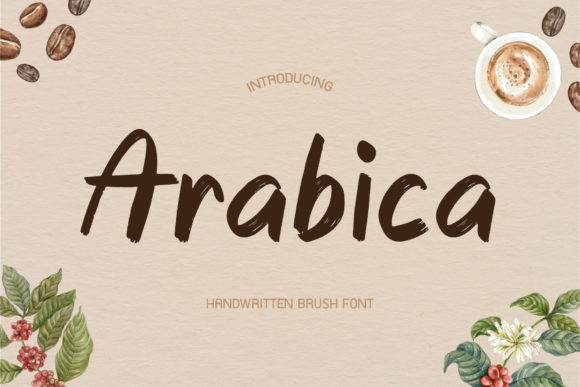
Arabica: The Handwritten Font That Brings Creativity to Life
There’s something undeniably charming about the handwritten touch. It feels personal, authentic, and full of character. Arabica is a font that captures this essence perfectly—its flowing curves and natural imperfections make it feel like it was written by hand. When paired with a brush pen and pencil, Arabica transforms into a powerful tool for creators who want to add warmth and personality to their projects.
Whether you're designing marketing materials, creating content for your blog, or working on a DIY project, Arabica offers a unique way to express your creativity. Its elegant yet approachable style makes it suitable for a wide range of applications, from branding to educational resources. Let’s explore how Arabica can be used in different ways and what makes it stand out as a creative asset.
The Beauty of Arabica: What Makes It Special?
Arabica is more than just a font—it's an experience. Designed to mimic the look of real handwriting, it brings a sense of intimacy and authenticity to any design. Unlike standard fonts, which often feel too polished or uniform, Arabica has a natural variation that gives each letter its own character. This subtle difference makes it ideal for projects where a personal touch is essential.
What sets Arabica apart is its versatility. It works well in both digital and print formats, making it suitable for everything from social media posts to physical signage. Its clean lines and soft curves ensure readability while still maintaining that handwritten charm. This balance between elegance and simplicity is what makes Arabica so appealing across various industries and use cases.
Creative Possibilities with Arabica
Arabica opens up a world of creative possibilities. Here are some practical ideas for using it in your next project:
- Personalized Invitations: Use Arabica to create invitations that feel handcrafted. Whether it's for a wedding, birthday, or event, the font adds a personal touch that paper invites can't replicate.
- Blog and Website Design: Incorporate Arabica into your blog headers or website copy to give your content a warm and inviting feel. It works especially well for lifestyle, fashion, or creative niches.
- Product Packaging: If you're a small business owner or entrepreneur, Arabica can help your product packaging stand out. Its handwritten appearance can convey a sense of craftsmanship and care.
- Education Materials: Teachers and educators can use Arabica in worksheets, flashcards, or study guides to make learning more engaging and visually appealing.
- DIY Crafts: From scrapbooking to custom greeting cards, Arabica can bring life to any handmade project. Pairing it with a brush pen and pencil can enhance the visual appeal even further.
These examples show how versatile Arabica can be. It's not limited to one specific application but can be adapted to fit various needs and goals. The key is to experiment and find what works best for your unique style and audience.
How Different Users Can Adapt Arabica
Arabica's adaptability allows it to serve different users in unique ways. For designers, it can be a go-to font for adding a human element to otherwise digital designs. Marketers can use it to create more relatable content that resonates with their audience. Bloggers and content creators might find it useful for headings or call-out text that draws attention without being overwhelming.
Entrepreneurs and small business owners can leverage Arabica to build brand identity that feels genuine and trustworthy. Educators and hobbyists may appreciate its use in teaching tools or creative projects that encourage personal expression. Freelancers and publishers can benefit from its ability to elevate the visual appeal of their work without requiring advanced design skills.
No matter your background or profession, Arabica can be tailored to suit your needs. The challenge lies in finding the right balance between creativity and clarity. A good rule of thumb is to use Arabica sparingly and pair it with other fonts that provide contrast and structure.
Tips for Using Arabica Effectively
To get the most out of Arabica, consider these tips:
- Use It for Headlines: Arabica shines when used for headlines or titles. Its bold, expressive nature makes it perfect for grabbing attention.
- Pair It with a Clean Font: To maintain readability, pair Arabica with a simpler sans-serif font for body text. This combination ensures your message remains clear and easy to read.
- Experiment with Colors and Sizes: Try different color schemes and sizes to see what looks best for your project. A darker shade of gray or a muted color can help keep the design balanced.
- Keep It Consistent: While Arabica has a natural variation, it's important to maintain consistency in how it's used throughout your project. This helps reinforce your brand or message without causing confusion.
- Test It Across Platforms: Make sure Arabica looks good on all devices and screen sizes. Test it on mobile, desktop, and print to ensure it meets your expectations in every format.
By following these guidelines, you can use Arabica effectively while still preserving its unique charm. The goal is to enhance your creative output without compromising clarity or usability.
Bringing Arabica to Life with Tools Like Brush Pens and Pencils
One of the most exciting aspects of Arabica is how it interacts with physical tools like brush pens and pencils. These tools allow you to create a more organic and textured look, making your designs feel even more authentic. The combination of Arabica with a brush pen, for instance, can produce a beautiful blend of ink and texture that mimics real handwriting.
If you're working on a DIY project, try sketching out your text with a pencil first before finalizing it with a brush pen. This method gives you the flexibility to adjust your design before committing to a final version. You can also layer different strokes to add depth and dimension to your text, making it stand out even more.
Using Arabica with physical tools encourages a more hands-on approach to design. It reminds us that creativity doesn’t always have to be digital—it can be a tactile experience that brings joy and satisfaction. Whether you're an artist, designer, or simply someone who loves to create, experimenting with Arabica and traditional tools can open up new avenues of expression.
Ultimately, Arabica is more than just a font. It's a bridge between the digital and the tangible, offering a way to infuse your work with personality and authenticity. By exploring its many uses and adapting it to your unique needs, you can unlock new levels of creativity and connection with your audience.