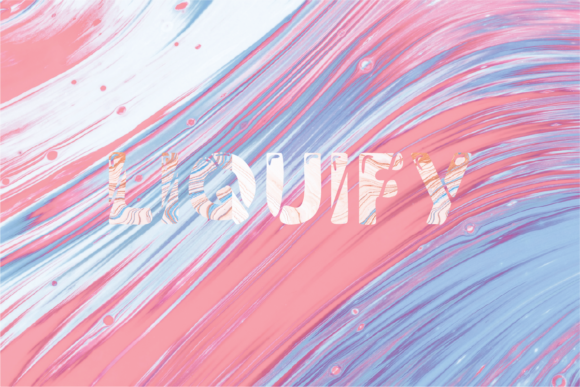
Liquify Font: A Relaxing Touch for Creative Projects
Looking for a font that brings warmth and personality to your creative work? Liquify is a unique display font that offers an authentic, relaxed feel perfect for a wide range of projects. Whether you're designing wedding invitations, crafting social media posts, or creating custom greeting cards, this font adds a touch of charm without sacrificing style.
What Makes Liquify Stand Out?
Liquify has a soft, flowing appearance that mimics the natural movement of liquid. Its gentle curves and subtle variations in stroke weight give it a handwritten, organic look. This makes it ideal for projects that need a friendly, approachable vibe.
The font’s character set includes a mix of uppercase and lowercase letters, along with numbers and symbols. It’s designed to be legible even at smaller sizes, which is essential when working on digital content like websites or mobile apps.
As a display font, Liquify isn’t meant for long blocks of text but shines in headlines, titles, and callouts. Its personality makes it a great choice for branding elements such as logos, taglines, and promotional materials.
A Versatile Tool for Designers and Creatives
Designers and creatives can use Liquify across various mediums. In web design, it works well for headings and buttons, adding visual interest without overwhelming the user. For social media graphics, the font helps create eye-catching captions and post titles that stand out in crowded feeds.
In print design, Liquify is a fantastic option for stationery art, wedding invitations, and greeting cards. Its elegant yet casual style gives these items a personal, handmade feel that many people find appealing.
Marketers and entrepreneurs might also find Liquify useful for branding and packaging design. The font’s unique style can help differentiate a brand from competitors and create a memorable impression on customers.
When to Use Liquify in Your Projects
While Liquify is a display font, knowing when to use it is key to achieving the best results. Here are some practical scenarios where it excels:
- Wedding Invitations: The font’s soft curves and friendly appearance make it perfect for creating romantic, personalized invites.
- Social Media Posts: Use Liquify for captions, hashtags, and promotional banners to add visual flair to your content.
- Stationery and Greeting Cards: The font’s handwritten feel adds a personal touch to thank-you notes, birthday cards, and other stationery pieces.
- Logo Design: Incorporate Liquify into your logo for a unique, memorable brand identity that stands out.
- Editorial Design: Use it for headlines and subheadings in magazines, blogs, or newsletters to create a warm and inviting layout.
It’s important to consider how Liquify pairs with other fonts. For body text, stick with a clean, readable serif or sans serif font. Pairing Liquify with a complementary typeface ensures that your design remains balanced and easy to read.
Practical Tips for Choosing and Using Liquify
Before using Liquify in your project, take time to evaluate its fit. Consider the tone of your message, the audience you’re targeting, and the overall aesthetic of your design. If you’re unsure, test it alongside other fonts to see what looks best.
Also, check the font’s readability in different sizes and colors. While Liquify is visually appealing, it should still be easy to read. Avoid using it for long paragraphs or small text where clarity is crucial.
If you plan to use Liquify commercially, ensure you have the proper font licensing. Many premium fonts require a license for commercial use, so always review the terms before downloading or purchasing.
Finally, experiment with Liquify in different contexts. Try using it in various colors, weights, and spacing to see how it affects your design. This hands-on approach will help you get the most out of this versatile font.
Whether you're a designer, marketer, or hobbyist, Liquify offers a fresh and engaging way to enhance your creative work. Its unique style and readability make it a valuable addition to any designer's toolkit.