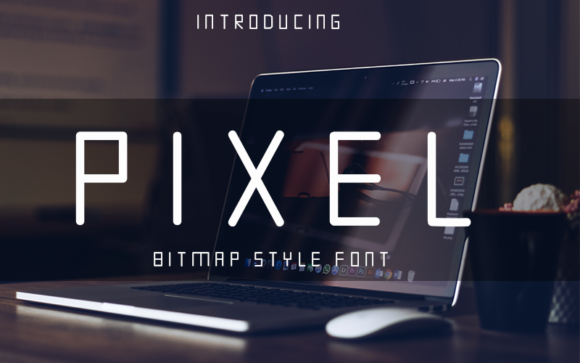
Pixel: A Versatile Display Font for Modern Design
The Rise of Pixel in Contemporary Typography
In the ever-evolving world of digital design, typography plays a crucial role in shaping user experience and visual communication. Among the many fonts available, Pixel stands out as a simple yet powerful display font that blends casual charm with professional elegance. Its clean lines and structured letterforms make it a go-to choice for designers looking to create visually appealing content without compromising on readability.
Pixel is not just another typeface; it's a reflection of modern aesthetics that prioritizes clarity and simplicity. Whether you're designing a website, crafting a presentation, or creating promotional materials, Pixel offers a unique balance between formality and approachability. This article explores the characteristics, advantages, and practical applications of Pixel, highlighting why it has become a favorite among professionals and hobbyists alike.
Understanding the Characteristics of Pixel
At first glance, Pixel appears deceptively simple. However, its design is rooted in meticulous attention to detail. Each character is carefully crafted to ensure consistency in spacing, stroke weight, and proportion. The font’s minimalist nature allows it to fit seamlessly into various design contexts, from high-end branding to casual social media posts.
One of the standout features of Pixel is its ability to maintain legibility even at smaller sizes. This makes it particularly useful for web design, where text needs to be readable across different screen resolutions and devices. Additionally, the font’s clean arrangement of letters ensures that it does not overwhelm the viewer, making it ideal for long-form content such as articles, reports, and educational materials.
Another notable characteristic of Pixel is its adaptability. It can be used in both formal and informal settings, which is rare for most display fonts. This versatility allows designers to experiment with different layouts and color schemes without worrying about the font clashing with the overall aesthetic.
Advantages of Using Pixel in Design Projects
The benefits of using Pixel in design projects are numerous. One of the primary advantages is its ease of use. Unlike more complex fonts that require extensive customization, Pixel provides a straightforward solution that works well out of the box. This makes it an excellent choice for beginners who are just starting to explore typography.
Moreover, Pixel enhances the visual appeal of any project. Its crisp edges and balanced structure give it a polished look that can elevate the quality of your work. When paired with the right colors and layouts, Pixel can transform a basic design into something truly remarkable.
From a usability standpoint, Pixel is also highly compatible with various software platforms and tools. It supports a wide range of file formats, including SVG, PNG, and JPEG, making it easy to integrate into different types of media. This compatibility ensures that designers can use Pixel across multiple channels, from print to digital, without any issues.
Practical Use Cases for Pixel
Pixel is incredibly versatile and can be applied in a variety of scenarios. In web design, it is often used for headings, subheadings, and call-to-action buttons due to its strong visual presence and readability. Its clean appearance makes it perfect for websites that prioritize minimalism and clarity.
In graphic design, Pixel can be used to create logos, posters, and infographics. Its structured letterforms provide a sense of professionalism, while its casual feel adds a touch of personality to the design. This dual nature makes it suitable for both corporate and creative projects.
For educators and researchers, Pixel is an excellent choice for academic papers, presentations, and educational materials. Its readability ensures that the content remains accessible to a wide audience, while its modern aesthetic keeps the material visually engaging.
Hobbyists and creators can also benefit from using Pixel in their personal projects. Whether you're designing a blog, creating a portfolio, or developing a mobile app, this font can help you achieve a consistent and professional look without requiring advanced typographic skills.
Considerations When Choosing Pixel
While Pixel offers many advantages, there are a few considerations to keep in mind when choosing this font for your project. First, it may not be the best choice for very long blocks of text, as its structured design can sometimes feel rigid in extended passages. For body text, it's recommended to pair Pixel with a more traditional serif or sans-serif font to ensure optimal readability.
Additionally, while Pixel is highly versatile, it may not be suitable for every design context. For example, if you're working on a project that requires a more ornate or decorative font, Pixel might not be the best fit. However, for most modern design needs, it remains an excellent option.
Finally, it's important to consider the licensing terms when using Pixel. While many free versions of the font are available, it's always a good idea to check the usage rights to ensure that you're complying with the terms of service. This is especially important for commercial projects or large-scale publications.
Real-World Examples of Pixel in Action
Many successful brands and designers have incorporated Pixel into their visual identities. For instance, a tech startup recently launched a new product line and used Pixel for all of its marketing materials. The font helped convey a sense of innovation and simplicity, aligning perfectly with the brand's mission.
In the realm of education, a university redesigned its website using Pixel for headings and navigation menus. The result was a more cohesive and modern look that improved user engagement and accessibility. Students and faculty alike praised the site's clean design and ease of use.
Even in the world of fashion, Pixel has found its place. A boutique clothing store used the font in its logo and social media posts, creating a fresh and contemporary image that resonated with younger audiences.
Conclusion
Pixel is more than just a display font—it's a tool that empowers designers to create visually stunning and functionally effective content. Its clean lines, structured letterforms, and versatile nature make it a valuable addition to any designer's toolkit. Whether you're a professional or a hobbyist, Pixel offers a unique blend of style and substance that can enhance your projects in countless ways.